


You send the email. You get silence. If you’ve ever wondered how to write better personal emails, you’re not alone and the answer is rarely about what you say. It’s about how you say it. These 10 habits will help you send more effective personal emails: clearer, warmer, and far more likely to get a real reply.
How to write better personal emails: start with clarity
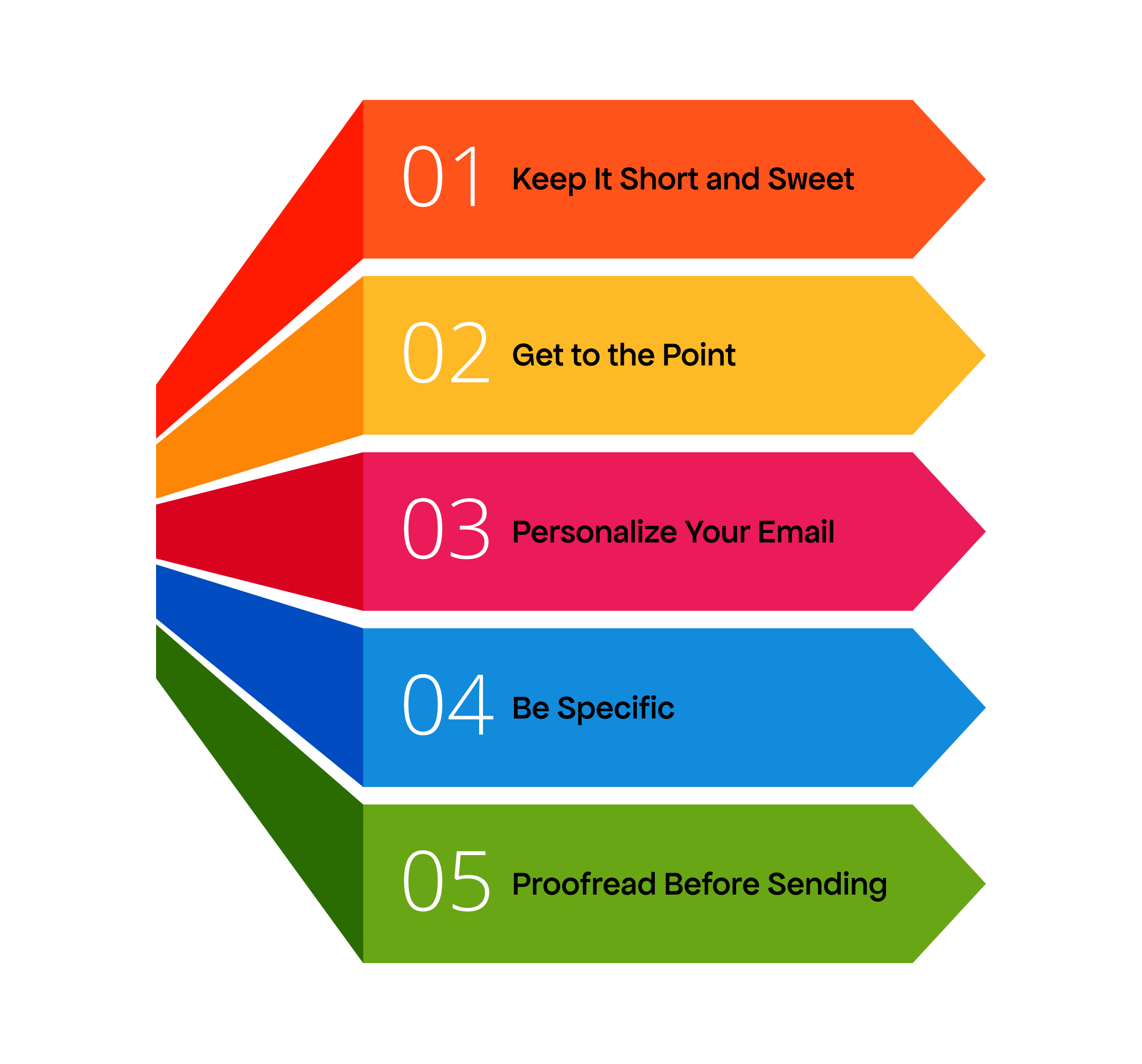
The biggest reason effective personal emails get ignored isn’t the content, it’s the structure. Before anyone reads your message, they’ve already judged it on the subject line, the opening sentence, and the length. Fix those three things first.
Tip 1: Write a subject line that gets your email opened
Your subject line is doing sales work. One of the simplest ways to write more effective personal emails is to be specific: “Are you free Thursday?” beats “Following up” every time. The more the subject reflects what’s inside, the more likely it gets opened — and the more trust you build.
Tip 2: State your purpose in the first sentence
People skim. If your reason for writing is buried in paragraph three, most readers won’t reach it. Lead with your point, then add warmth and context afterward. This single habit is what separates effective personal emails from ones that get deferred indefinitely.
Tip 3: Keep it short — one email, one ask
Too many asks in one email means zero replies. Stick to one purpose per message and cut your draft by 20–30% before sending. Brevity is a mark of effective personal emails — you’ll be surprised how little is lost. According to Harvard Medical School, breaking up text for readability is key to making your emails more effective.
Effective personal emails sound human, not templated
Tone is the invisible layer under every message. Knowing how to write better personal emails means knowing how to match your language to the relationship — not just the topic.
Tip 4: Match your tone to the relationship
Writing to a close friend sounds different from writing to someone you haven’t spoken to in two years. Before you write, consider where the relationship stands. Quick tone check: read the email aloud. Does it sound like you?
Tip 5: Use their name — but not too much
Using someone’s name once signals the message was written for them specifically — a hallmark of effective personal emails. Using it in every paragraph feels scripted. Sweet spot: once in the greeting, once more if making a direct ask.
Tip 6: Reference their last message before you reply
Skip “Thanks for your email.” Reference something specific from their message instead: “It sounds like the move went well.” Five seconds of effort. The person feels genuinely heard. That’s how to write better personal emails that build real relationships.
How to end an email to get a response every time
The closing is where most effective personal emails are won or lost. A weak ending leaves the reader unsure what to do. A strong one makes replying the path of least resistance.
Tip 7: End with one clear call to action
“Let me know your thoughts” is not a call to action. Ask a direct question or propose a specific time: “Does Tuesday at 2pm work?” The more specific your ask, the easier it is to reply — and the more effective your personal email becomes.
Tip 8: Give them an easy way to say no
Counterintuitive but effective. “No pressure if the timing isn’t right” removes friction and actually makes people more likely to engage. It signals confidence and protects the relationship either way.
Tip 9: How to follow up on an email without being annoying
Wait 5–7 days. Keep the follow-up to 2–3 sentences and add a small piece of new context — don’t just forward the original with “Just checking in.” After two follow-ups with no reply, let it rest. Persistence is fine; pestering is not.
How to proofread an email before sending (and what to look for)
Tip 10: Read your email aloud before you hit send
This is the final step most people skip — and the one that separates good emails from effective personal emails. Reading aloud forces your brain to catch what your eyes skim: awkward phrasing, wrong tone, typos. Before sending, check:
• Does the subject line match the email?
• Is the ask clear and specific?
• Does the tone fit the relationship?
• Anything to soften or sharpen?
Start writing better personal emails today

You don’t need to apply all ten tips at once. Pick two or three, apply them to your next message, and build from there. The goal of effective personal emails isn’t to sound polished — it’s to sound like yourself, clearly enough that people actually write back.