



A client signs the paperwork, the portfolio gets set up, and then... six months go by before they hear from their advisor again. That gap is where relationships quietly erode, and it's also where most of the referral opportunity gets left on the table. According to the 2025 Advisor Pulse Outlook Survey, 76% of financial advisors said they gained new clients through unsolicited referrals, making it the most productive source of new business. Referrals don't happen because a client was satisfied once. They happen because an advisor stayed visible, useful, and trustworthy long after the onboarding call ended.
Email is one of the few channels that can do that at scale without feeling like a sales pitch. Done well, it keeps clients informed, answers the questions they didn't think to ask, and reminds them why they chose you in the first place. Here's how to build an email program that actually earns that kind of loyalty.
Start With a List You're Allowed to Use
Before anything else, the list itself has to be clean and consent-based. Financial services email has real regulatory weight behind it: unsubscribe requests need to be honored quickly, and anything that reads as investment advice to a broad, unqualified list can create compliance headaches nobody wants. Collect addresses through account onboarding, a gated resource like a retirement checklist, or an explicit opt-in on your website, and skip anything scraped or purchased.
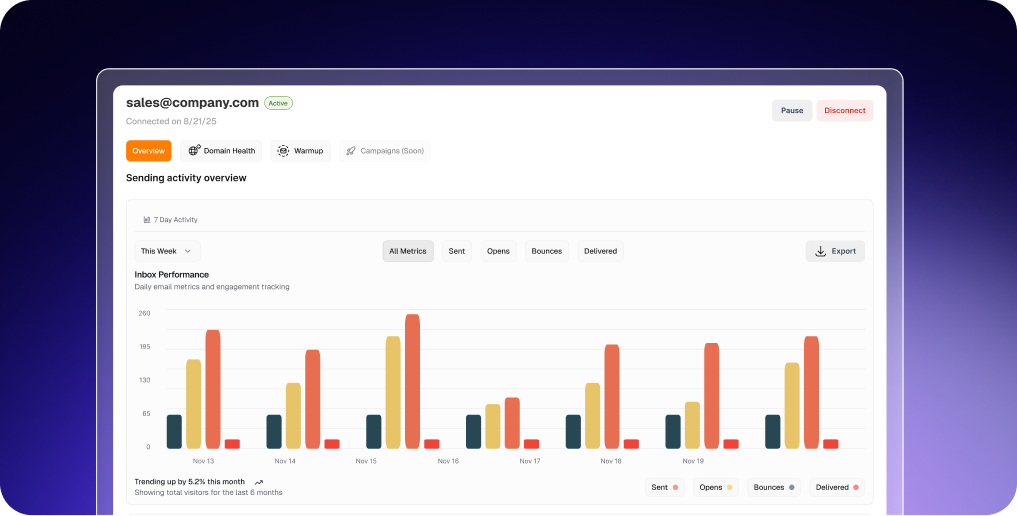
Once the list exists, it needs upkeep. Bounced addresses and cold subscribers drag down your sender reputation and make it harder for the emails that do matter to land in the inbox. A quarterly pass through your list, removing hard bounces and flagging anyone who hasn't opened anything in the last year, keeps deliverability healthy and your open-rate numbers honest.
Segment by Life Stage
Two clients with similar account balances can be in completely different chapters of their financial lives. One is optimizing for a child's college tuition. Another is five years from retirement and thinking about Social Security timing. A newsletter that treats them identically will feel irrelevant to at least one of them, and irrelevant emails are what get unsubscribed.
Segment your list by what actually drives someone's questions: life stage, account type, risk tolerance, or how recently they had a review meeting. It doesn't need to be complicated.

Three or four groups, built from information you likely already have in your CRM, is enough to start. If keeping that CRM data current is the part that keeps slipping, automating CRM tasks can reduce some of the manual work before you assume segmentation itself is too much effort. Mailchimp's segmentation research found open rates 14.31% higher and click rates over 100% higher than unsegmented campaigns.

That gap is the difference between an email that gets read and one that gets archived. If you want a deeper look at where segmentation efforts typically go wrong, VitaMail covers the common email segmentation mistakes to avoid before you build your groups.
Write Content That Answers a Real Question
The advisors whose emails get opened month after month aren't sending generic market recaps. They're answering something a client was already wondering about: what a rate change means for a mortgage, how a new tax bracket affects a Roth conversion, whether now is a reasonable time to rebalance. Pick one specific, timely question per email instead of trying to cover everything.
Keep the format simple. A short explanation, a plain-language takeaway, and a clear next step (reply, book a call, or just "no action needed") will outperform a dense market commentary every time. Clients don't need a research report. They need to know whether this affects them and what, if anything, to do about it.
Get the Subject Line Right
None of that content matters if the email doesn't get opened. According to HubSpot's email marketing benchmarks, the average email open rate across industries is around 42%, and specific, useful subject lines consistently beat vague ones. "Your Q3 Portfolio Update" tells a client nothing they couldn't guess. "What the Fed's Rate Cut Means for Your Mortgage" tells them exactly why to open it.
Name the topic, not the category. Skip the exclamation points and the urgency tricks — advisors are held to a higher trust bar than a retail brand, and a subject line that oversells will undercut the credibility you're trying to build. If you're stuck, VitaMail's AI subject line generator can give you a starting point, though the strongest subject lines usually come from naming the client's actual question.
Personalize Beyond a First Name
A mail-merge tag isn't personalization. Real personalization means the content itself reflects what you know about the recipient: referencing their goals, their timeline, or a conversation you actually had. An email to pre-retirees about required minimum distributions lands differently than a generic "financial tips" roundup, because it signals that you're thinking about their situation specifically, not blasting a list.
This is also where segmentation pays off twice. Once you've grouped clients by life stage or goal, personalization becomes a matter of writing to that group's actual concerns rather than guessing at what a broad audience wants to hear.
Keep the Follow-Ups Coming
Trust builds on a rhythm, not a single great email. A monthly or biweekly cadence, sent consistently even when there's no major news to report, does more for retention than an occasional impressive send. Consistency is what makes a client feel like they haven't been forgotten between review meetings, and it's what makes an email from you feel expected rather than surprising. The same principle applies across every channel an advisory practice uses to stay in touch: clear, consistent business communication builds the same kind of trust whether it's a monthly note, a phone check-in, or a quick follow-up after a meeting.
The same logic applies after a referral conversation. If a client mentions they've sent a friend your way, a short thank-you note and an occasional, low-pressure check-in keeps that door open without turning it into a sales sequence. Advisors who stay visible are the ones clients remember when someone in their circle asks, "Do you know a good advisor?"